Finger Knit a Chunky Blanket Fast: Free Beginner Pattern
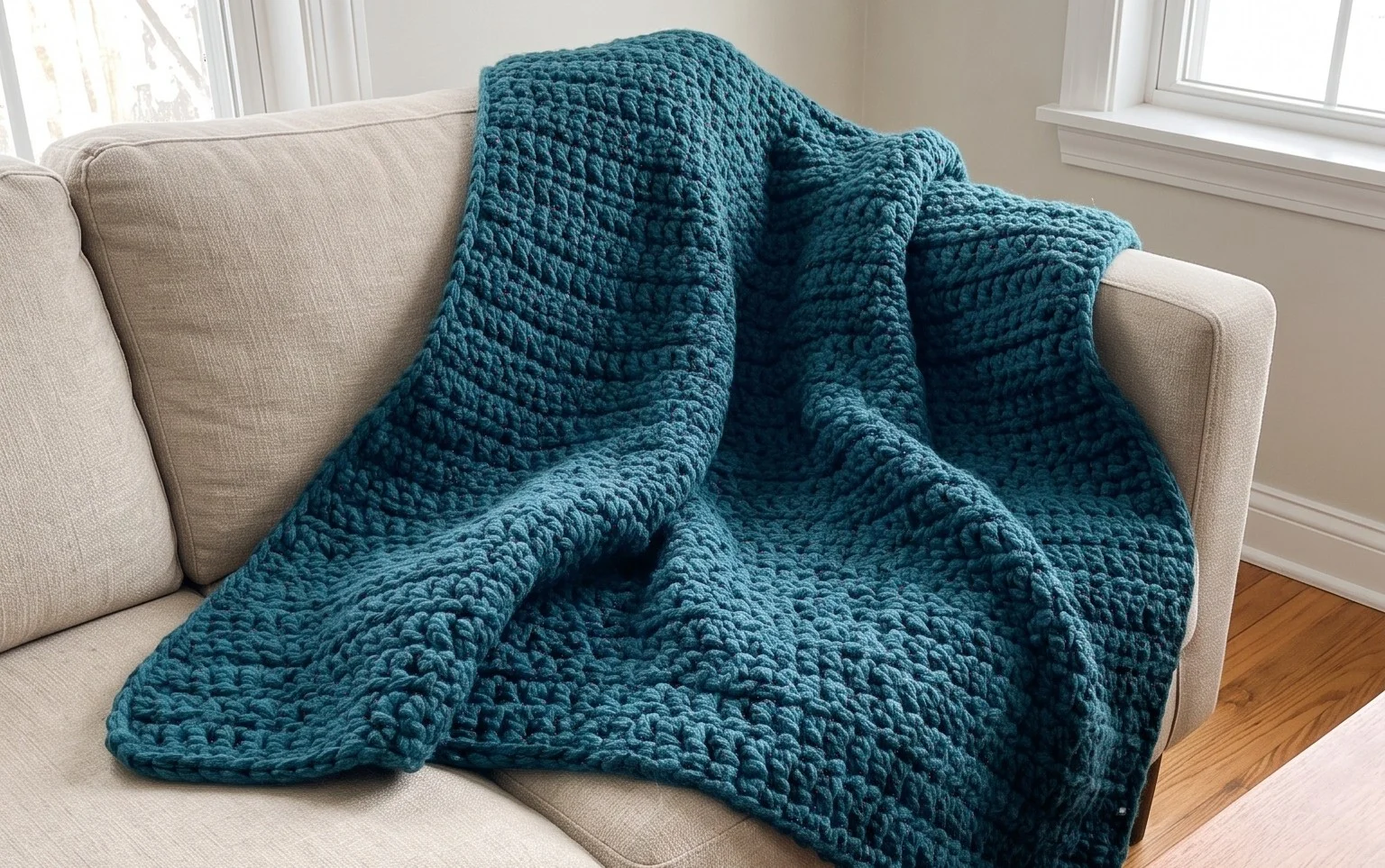
Giant loops of soft chenille yarn drape heavily over the arms of a sofa, creating a dense texture that keeps you warm during long winter evenings. This project requires no needles or hooks because you use your hands to pull loops through one another in a consistent, rhythmic motion. It suits beginners who feel intimidated by complex stitch counts or traditional yarn tools. You will learn the basic casting on method and how to maintain even tension throughout the entire piece. Completing this throw in just a few hours provides an immediate sense of accomplishment for any home decor enthusiast.
Why You’ll Love This Pattern
This beginner-friendly crochet coaster set is designed with a durable, dense stitch pattern that protects wooden surfaces from moisture and heat. Because each coaster works up in under thirty minutes, it is an ideal project for using up small amounts of leftover cotton yarn from larger tasks. The circular design relies on basic increase rounds, providing a calm, meditative rhythm that is easy to pick up and put down during short breaks. You can create a full set of four in a single evening, making these coasters a thoughtful, handmade gift for housewarmings or holiday exchanges.
I managed to finish a full set of these in one afternoon while watching a movie. They lay perfectly flat without curling, and the yarn choice makes them easy to toss in the wash whenever they get stained.
— Sarah, home crafter
Pattern Overview & Skill Level
- Skill Level: Beginner
- Approximate Time: 25–30 minutes per coaster
- Construction: Worked in continuous rounds, starting from a magic ring and increasing until the desired diameter is reached
- Finished Dimensions & Sizing: Approximately 4 inches in diameter
Materials & Supplies Needed
- Yarn: Worsted weight (#4) 100% cotton yarn, approximately 15 yards per coaster. Cotton is necessary for heat resistance and absorbency.
- Hook Size: 5.0 mm (H-8) crochet hook.
- Notions needed: Tapestry needle for weaving in ends, stitch marker to track the start of rounds.
- Safe yarn substitutions: You may use a cotton-acrylic blend if it is at least 50% cotton. Avoid pure acrylic, as it melts when exposed to hot mugs and lacks the water-wicking properties required for coasters.
Stitch Guide & Abbreviations (US Terms)
- MR: Magic ring
- ch: Chain
- st/sts: Stitch/stitches
- sc: Single crochet
- inc: 2 sc in the same stitch
- sl st: Slip stitch
- Rnd: Round
Step-by-Step Pattern Instructions
Coaster Base
- Rnd 1: Start with a MR. Work 6 sc into the ring. Place a stitch marker in the first stitch of the round. (6 sts)
- Rnd 2: Work 2 sc in each st around. (12 sts)
- Rnd 3: 1 sc, inc repeat 6 times. (18 sts)
- Rnd 4: 1 sc in next 2 sts, inc repeat 6 times. (24 sts)
- Rnd 5: 1 sc in next 3 sts, inc repeat 6 times. (30 sts)
- Rnd 6: 1 sc in next 4 sts, inc repeat 6 times. (36 sts)
- Rnd 7: 1 sc in next 5 sts, inc repeat 6 times. (42 sts)
Finishing
Once you complete Round 7, work one final sl st into the next stitch to smooth out the edge. Cut your yarn, leaving a 6-inch tail. Pull the tail through the final loop and use your tapestry needle to weave the end securely into the back of the coaster. Trim the excess yarn close to the fabric for a clean, professional finish.
Care & Washing Instructions
- Machine wash your cotton coasters in cold water on a gentle cycle to prevent shrinking.
- Lay the coasters flat on a clean towel to dry, reshaping them with your hands while they are damp.
- Avoid using fabric softener, as it reduces the absorbency of the cotton fibers.
Pro Tips & Common Mistakes to Avoid
- Maintain consistent tension throughout the rounds; if your stitches are too loose, the coaster will lose its structure and warp when placed on a table.
- Always use a stitch marker at the beginning of each round to ensure you do not lose track of your increases, which would cause the circle to cup or ripple.
- Weave in your yarn ends by traveling under the stitches on the back side of the coaster in two different directions, which prevents the ends from popping out during repeated washings.
- If you wish to make these larger to serve as trivets, continue the increase pattern by adding one more single crochet between each increase in every subsequent round, but ensure you increase your yarn budget accordingly.
Frequently Asked Questions
Can I use a larger hook size for a faster project?
Using a larger hook will result in larger, gappier stitches that do not protect your furniture effectively. Stick to the 5.0 mm hook to maintain a dense fabric that prevents condensation from leaking through to the surface beneath.
How do I keep the coaster from curling at the edges?
If you notice the edges starting to curl, your tension is likely too tight. Try loosening your grip on the yarn, or check that your stitch counts are accurate; curling often happens when the circle is not increasing fast enough to remain flat.
Is it possible to sell items made from this pattern?
You are welcome to sell finished items made from this pattern in small quantities. Please credit the original design and use your own photographs to represent your work.
What if I run out of yarn mid-round?
Avoid joining a new ball of yarn mid-round if possible. Instead, finish the round, secure your ends, and join the new color at the start of the next round to keep the appearance of the piece clean and uniform.
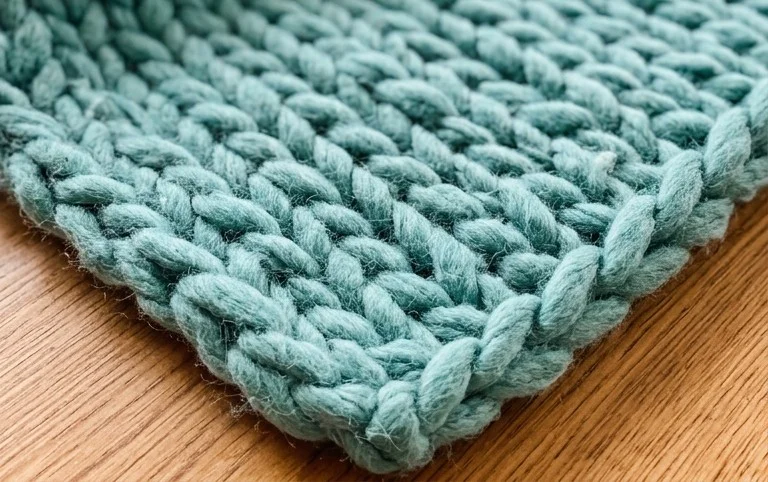
Your finished blanket serves as a heavy, cozy weight that transforms your living space into a relaxing sanctuary. You can experiment with a two-toned effect by holding two different colors of yarn together as you work the stitches for a marbled look. Take a picture of your finished work and share it with our crafting community online so others can see your progress. Feel free to browse through our archives for more simple projects and patterns that fit into your busy schedule throughout the year.