Cute Christmas Baubles: Easy Free Crochet Patterns
Soft crochet baubles bring a bit of handmade texture to a Christmas tree, with yarn-covered shapes that feel warm beside glass and metal ornaments. These patterns suit beginners who are comfortable with basic stitches, as well as gift makers and anyone who enjoys adding personal touches to holiday decor. You can choose classic red and green, calm neutrals, or scraps in colors that match your tree. Working a small ornament is satisfying because the shape comes together quickly, and each one can look different with a change of yarn or trim. The patterns show how stitches and simple shaping create rounded baubles, with practical tips for finishing, adding a hanging loop, and choosing details that make each ornament your own.
Why You’ll Love This Pattern
A firm cotton dishcloth is useful at the sink, easy to wash, and small enough to finish in an evening. This beginner-friendly pattern uses single crochet throughout, so you can focus on keeping the edges straight rather than learning several stitch patterns. One ball of worsted-weight cotton is usually enough, and the simple rectangle works well with leftover cotton yarn if you have enough yardage.
The fabric is dense enough for everyday wiping, but it stays flexible when made with the recommended hook. A crocheter’s sample note: I finished mine in one evening, and the rows were easy to count as I went.
I made this with cotton yarn from my stash. The rows were easy to follow, and the finished cloth feels sturdy without being stiff.
— Maya, sample project note
Pattern Overview & Skill Level
- Skill Level: Beginner. You need to know how to chain and single crochet.
- Approximate Time: About 2–3 hours, depending on your pace and tension.
- Construction: The dishcloth is crocheted flat in rows from the bottom edge upward, then finished by weaving in the yarn tails.
- Finished Dimensions & Sizing: About 7.5 × 6 inches (19 × 15 cm), before washing. Small differences are normal; the row and stitch counts determine the basic shape.
Materials & Supplies Needed
- Yarn: About 60 yards (55 m) of worsted-weight #4, 100% cotton yarn in one color. Cotton absorbs water and tolerates frequent washing. A second color is optional, but changing colors requires additional yarn tails to weave in.
- Hook: 5.0 mm / H-8 crochet hook.
- Notions: Tapestry needle for weaving in ends, scissors, and a ruler or tape measure. A stitch marker is optional for marking the first stitch of a row.
- Substitutions: Choose another worsted-weight cotton with a similar care label. Cotton blends can feel softer or stretchier, and linen may produce a firmer fabric. Acrylic is less absorbent and may behave differently around heat. A different yarn weight or hook changes the finished size, texture, and yardage needed.
Stitch Guide & Abbreviations (US Terms)
- ch = chain.
- sc = single crochet.
- st = stitch.
- sts = stitches.
- rep = repeat.
- yo = yarn over.
For a single crochet, insert the hook into the indicated stitch, yarn over, and pull up a loop. Yarn over again and draw through both loops on the hook. The turning chain at the start of each row does not count as a stitch in this pattern. Work the first single crochet into the first stitch, not into the turning chain.
Step-by-Step Pattern Instructions
Dishcloth
Make a foundation chain that is loose enough to stretch gently without puckering. If your chain is tight, try making it with a hook one size larger, then switch back to the recommended hook for Row 1.
- Foundation: Ch 31.
- Row 1: Sc in the second ch from the hook and in each ch across. Turn. (30 sts)
- Row 2: Ch 1, sc in each st across. Turn. (30 sts)
- Rows 3–30: Rep Row 2 twenty-eight times, keeping 30 sc in every row. Turn after each row. (30 sts per row)
Lay the cloth flat and check that the sides are reasonably straight. Fasten off, leaving a tail long enough to weave in, and pull the yarn through the last loop. Use a tapestry needle to weave each tail through several stitches on the wrong side, changing direction once so the ends are less likely to work loose. Trim the excess yarn close to the fabric without cutting into a stitch.
Measure the finished rectangle before washing. If it is a little larger or smaller than the stated dimensions, that usually reflects personal tension. A square, even edge matters more for this project than matching the measurements exactly.
Care & Washing Instructions
- Wash cotton dishcloths with similar colors in warm water, up to 40°C (104°F), unless the yarn label gives a lower limit.
- Dry flat or tumble dry on low if the yarn label permits; avoid high heat, which can shrink some cotton yarns.
- Reshape the damp cloth by smoothing its corners and edges flat; blocking is usually unnecessary for a dishcloth.
Pro Tips & Common Mistakes to Avoid
- Keep your tension steady, especially in the foundation chain. A tight starting edge can make the bottom narrower than the rest of the cloth.
- Count the 30 stitches at the end of every row. If you tend to lose the first or last stitch, place a marker in the first stitch of the row and move it after turning.
- When weaving in ends, pass the needle through the backs of several stitches and change direction. Do not pull so firmly that the fabric gathers.
- To make the cloth wider, add chains to the foundation, then work one fewer single crochet than the number of chains. Each extra stitch adds a little width and uses more yarn; adding rows makes the cloth longer and also increases yarn use.
Frequently Asked Questions
Can I use a different yarn fiber?
Yes, but cotton is a practical choice because it absorbs water and handles regular laundering. A cotton blend may have more stretch, while acrylic is usually less absorbent. Check the yarn label and make a small swatch if you are unsure how the fabric will feel.
How can I make the dishcloth larger or smaller?
For a wider cloth, change the foundation chain and work one fewer single crochet than the chain count. For a longer or shorter cloth, work more or fewer rows than the 30 specified. Changes in yarn weight and hook size also affect the finished dimensions.
Is this pattern suitable for a first crochet project?
Yes. It uses chains and single crochet in straight rows, with no shaping or joining. The main challenge is keeping 30 stitches in every row, so count regularly and check that the sides stay even.
May I sell dishcloths made from this pattern?
Check the designer’s terms for any limits on selling finished items, and follow applicable marketplace rules. If you sell your work, describe the materials and care instructions accurately; do not present the pattern itself as your own.
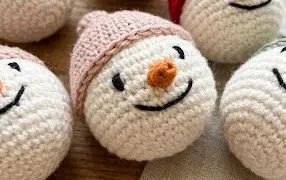
A few crocheted baubles can give your tree a handmade look, and each finished ornament is small enough to enjoy making between other holiday projects. Try one in a larger hook and thicker yarn for a bigger decoration, or use leftover colors to make a coordinated set. If you make one, share a photo on Pinterest or your favorite social platform so other crocheters can see your colors and finishing touches. You can also explore more free crochet patterns on the blog for seasonal decorations, thoughtful handmade gifts, and projects to work on throughout the year.