Easy Crochet Ribbon Christmas Tree Free Pattern Tutorial
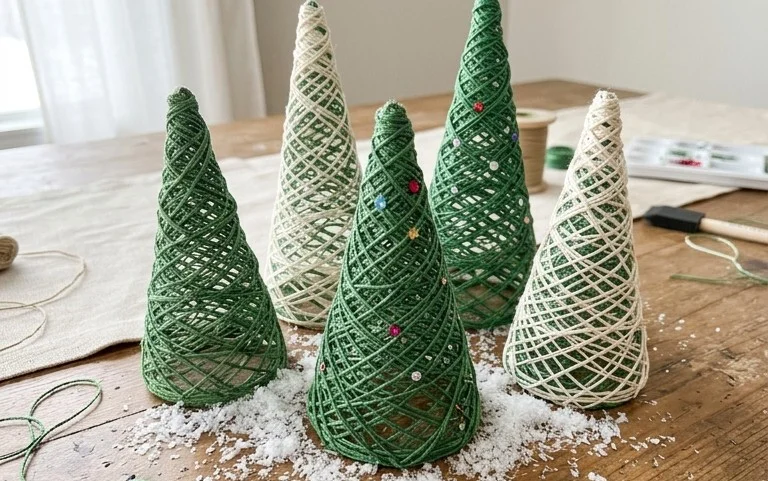
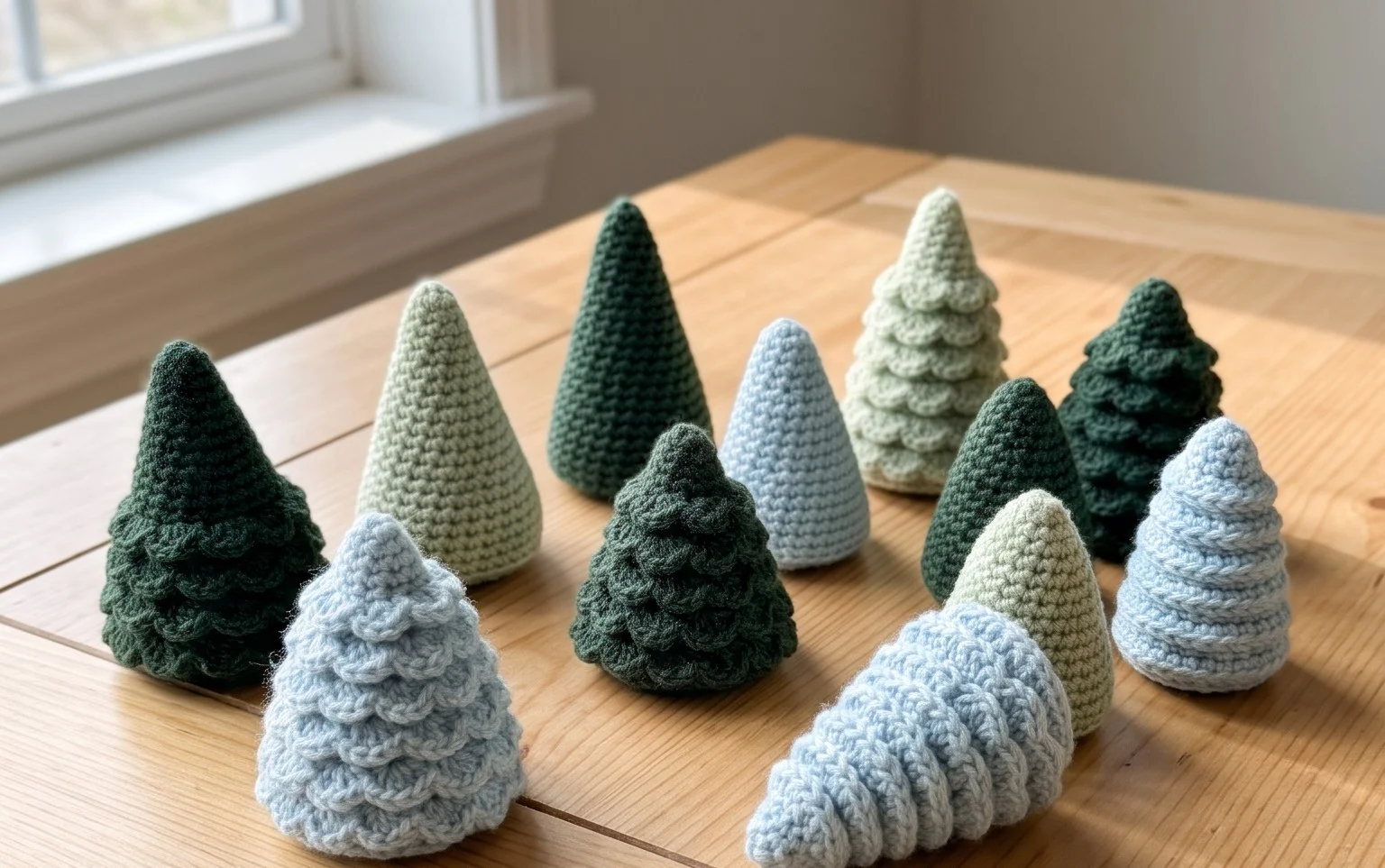
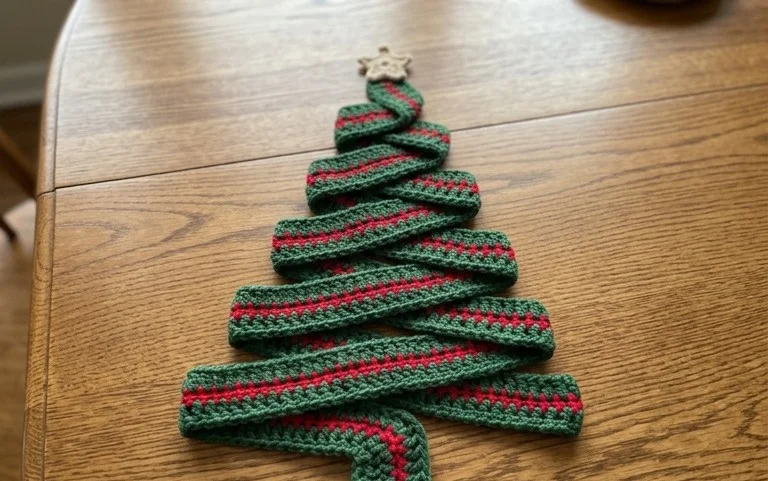
These ribbon trees bring a soft, textural charm to holiday mantels, blending classic festive shapes with a modern, looped aesthetic that catches the eye immediately. Each tree relies on the simple art of crocheting chain loops into a spiral base, creating a thick, bushy effect without the need for complex stitches or stiff plastic frames. Beginners will appreciate how quickly the height builds, while experienced makers will enjoy the meditative repetition of working row after row of textured ruffles. This project uses minimal yarn, making it a sustainable choice for your holiday crafting schedule, whether you are creating a small forest for your desk or a singular centerpiece for the dining room table.
Why You’ll Love This Pattern
This beginner-friendly crochet coaster pattern uses simple, repeated stitches to create a dense, absorbent fabric perfect for protecting your surfaces. Each coaster works up in under 30 minutes, making this an ideal project for using up small amounts of leftover cotton yarn from larger projects. The resulting circular shape sits flat without curling, providing a polished look that makes these an excellent choice for thoughtful handmade gifts. Because the stitches are worked in the round, there is no difficult seaming required, and the final piece is sturdy enough to withstand frequent use.
These coasters are incredibly fast to make and they lay perfectly flat on my coffee table even without heavy blocking. I finished a set of four in a single afternoon using only scraps from my yarn stash.
— Sarah, hobbyist crocheter
Pattern Overview & Skill Level
- Skill Level: Beginner
- Approximate Time: 20-30 minutes per coaster
- Construction: Worked in joined rounds, starting from a center ring
- Finished Dimensions: Approximately 4 inches (10 cm) in diameter
Materials & Supplies Needed
- Yarn: Worsted weight (#4) 100% cotton yarn, approximately 15 yards per coaster. Cotton is chosen for its absorbency and heat resistance.
- Hook Size: 5.0 mm (H-8) crochet hook.
- Notions: Tapestry needle for weaving in ends, a pair of sharp scissors.
- Yarn Substitutions: You may use acrylic yarn, but note that it is less absorbent and may melt if exposed to extremely hot mugs. Wool yarn can be used but will require hand washing. Changing fiber content or weight will alter the final diameter.
Stitch Guide & Abbreviations (US Terms)
- ch: chain
- sc: single crochet
- dc: double crochet
- inc: increase (work 2 stitches into the same stitch)
- sl st: slip stitch to join
- st/sts: stitch/stitches
- Magic Ring: A technique for starting rounds by crocheting into an adjustable loop.
Step-by-Step Pattern Instructions
Coaster Body
- Rnd 1: Start with a Magic Ring. Ch 3 (counts as first dc), work 11 dc into the ring. Join with a sl st to the top of the beginning ch-3. (12 sts)
- Rnd 2: Ch 3, dc in the same st as the sl st. Work 2 dc in each remaining st around. Join with a sl st to the top of the beginning ch-3. (24 sts)
- Rnd 3: Ch 3, 2 dc in the next st. 1 dc in the next st, 2 dc in the next st. Repeat from * to * around. Join with a sl st to the top of the beginning ch-3. (36 sts)
- Rnd 4: Ch 1 (does not count as a stitch). Sc in each st around. Join with a sl st to the first sc. (36 sts)
Finishing
Fasten off your yarn, leaving a 6-inch tail. Use a tapestry needle to weave the tail through the back loops of the final round to secure it. Trim any excess yarn close to the fabric, being careful not to cut the stitches. If the coaster looks slightly rippled, press it lightly with a steam iron or dampen it and lay it flat to dry.
Care & Washing Instructions
- Machine wash your cotton coasters on a gentle cycle in cool water to prevent color bleeding.
- Lay the coasters flat on a clean towel to air dry, ensuring they maintain their circular shape.
- If the coasters become misshapen after use, spray them lightly with water and reshape them with your hands, then leave them to dry on a flat surface.
Pro Tips & Common Mistakes to Avoid
Maintain consistent tension throughout the project to ensure the coaster remains flat. If your coaster starts to cup or bowl, your tension is likely too tight; try going up a hook size. Always place a stitch marker at the beginning of each round if you find it difficult to identify the starting chain. When weaving in your ends, run the needle through the center of the stitches rather than between them to prevent the end from working its way out over time. To adjust the size, simply add more increase rounds following the established pattern logic, though note that you will need more yarn for larger diameters.
Frequently Asked Questions
Can I use a larger hook for this pattern?
Yes, using a larger hook will result in a looser, larger coaster. Keep in mind that a larger hook will use more yarn and may make the holes between stitches more visible, which can reduce the effectiveness of the coaster.
Is this pattern suitable for complete beginners?
Yes, this pattern only requires knowledge of basic stitches and the ability to work in rounds. It is an excellent project for learning how to manage stitch counts while increasing.
Can I sell the items I make from this pattern?
You are welcome to sell finished products made from this pattern, provided you credit the design. Please do not sell or redistribute the pattern document itself.
What should I do if my coaster is not lying flat?
A coaster that does not lie flat is usually caused by an incorrect stitch count or tension issues. Count your stitches at the end of every round to ensure they match the pattern, and check that you are working your increases correctly.
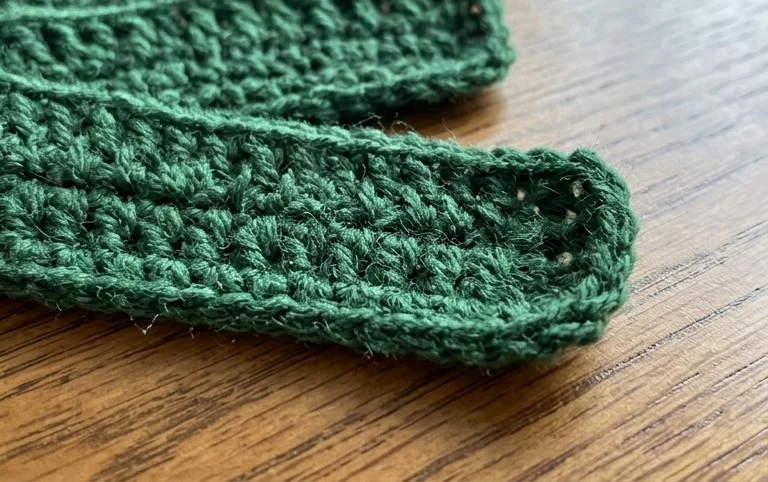
Watching your handmade forest come together on the mantel creates such a cozy feeling during the long winter evenings. If you want to change the look, try using a metallic thread held alongside your main yarn for extra shimmer or size up your hook to create larger, more relaxed loops. Please share your finished trees on your favorite social media platforms so others can see your color combinations. You can find more holiday-themed projects and seasonal inspiration by looking through the archives of my blog for your next quiet afternoon activity.