Free Crochet Pattern for a Sweet Amigurumi Holiday Ornament
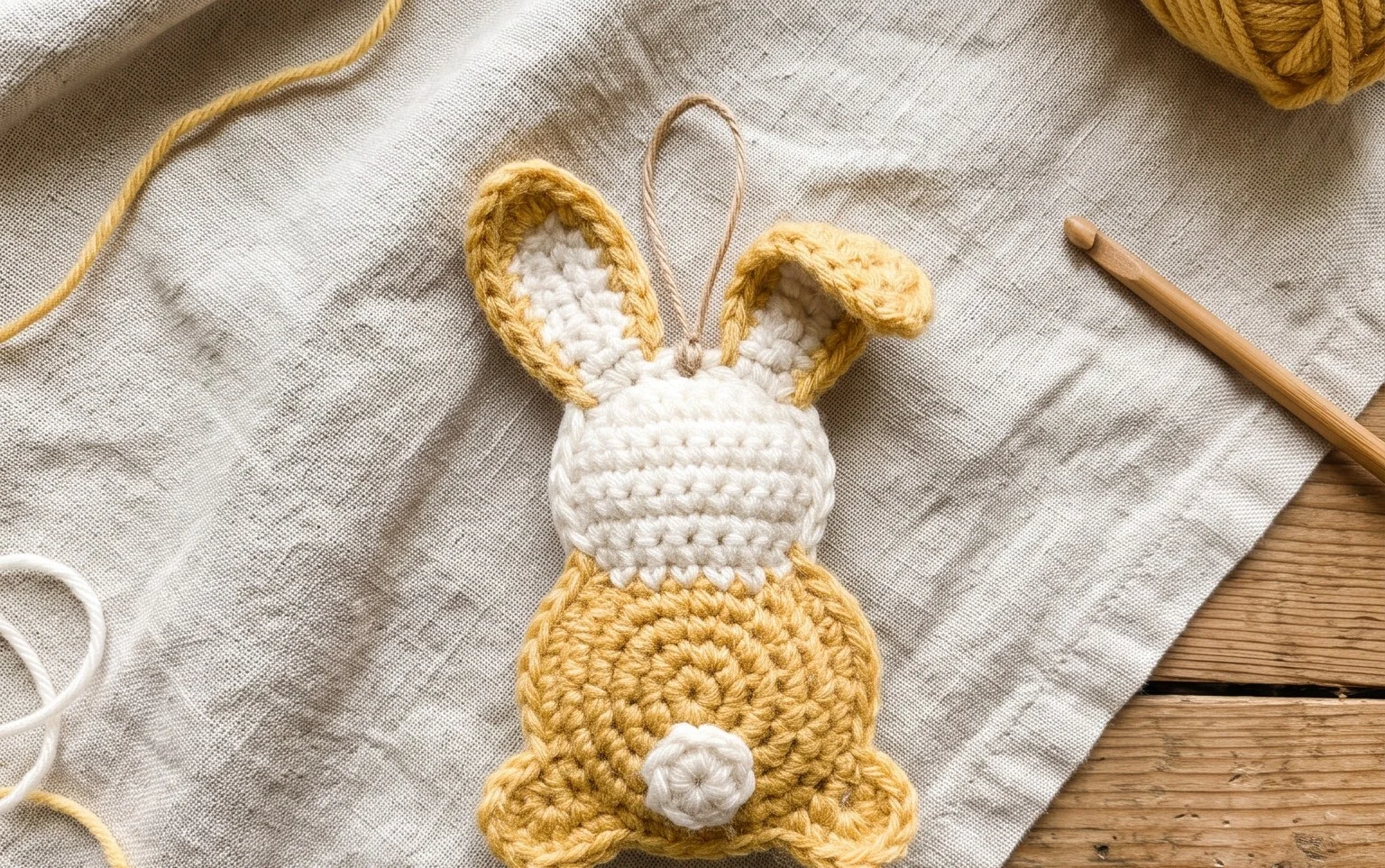
Soft yarn, a little stuffing, and a hanging loop turn a small crochet shape into a keepsake for the Christmas tree. This amigurumi ornament has a rounded, hand-finished look that suits a cozy living room, a handmade gift tag, or a gift for someone who collects crocheted decorations. Beginners can practice working single crochet in the round, placing increases evenly, and closing the shape neatly, while experienced makers can finish one in an evening. The small size makes it satisfying to complete without using much yarn, and changing the colors gives each ornament its own character. In this pattern, you’ll find guidance for shaping the ornament, adding stuffing without lumps, and making a loop sturdy enough to hang securely.
Why You’ll Love This Pattern
A firm cotton stitch makes this square dishcloth useful for wiping counters, washing dishes, or drying clean hands. The pattern uses single crochet throughout, so you can focus on keeping the edges straight rather than learning complicated stitch changes.
It takes about one to two hours to make, depending on your pace, and uses less than 100 yards of worsted-weight cotton. That makes it a practical project for a leftover ball of yarn. The dense fabric holds up to regular use, and the simple shape is easy to fold and store.
I made mine in an afternoon, and the row count made it easy to keep the edges neat. It has been through several washes and still feels sturdy.
— Lena, home crocheter
Pattern Overview & Skill Level
- Skill Level: Beginner. You need to know how to chain and single crochet.
- Approximate Time: 1–2 hours, including weaving in the ends.
- Construction: A flat square worked back and forth in rows, with no seams or separate pieces.
- Finished Dimensions & Sizing: About 7 × 7 in (18 × 18 cm), using the gauge and yarn below. Small differences in tension may change the final size.
Materials & Supplies Needed
- Yarn: About 80–90 yd (73–82 m) of worsted-weight cotton yarn, approximately 35–45 g. Choose one color or use a small amount of a second color for a contrasting final row. Cotton is absorbent and tolerates frequent washing.
- Hook Size: 4.0 mm / G-6 crochet hook. If your stitches are especially tight, try a 4.5 mm / 7 hook and check the finished size.
- Notions: Tapestry needle for weaving in the ends, scissors, and a ruler or tape measure. A stitch marker is optional for marking the first stitch of a row.
- Gauge: 16 sc and 20 rows = 4 in (10 cm), measured after lightly washing and drying the swatch. Gauge affects the finished dimensions and yarn use.
- Substitutions: Use another smooth, washable worsted-weight cotton, checking that the yarn label recommends a similar hook. Cotton-linen blends can feel a little firmer and may drape less. Acrylic can be less absorbent and may feel softer; avoid fuzzy or loosely spun yarn because it can make the stitches harder to see.
Stitch Guide & Abbreviations (US Terms)
- ch: Chain. Yarn over and pull through the loop on the hook.
- sc: Single crochet. Insert the hook in the indicated stitch, yarn over and pull up a loop, then yarn over and pull through both loops on the hook.
- st / sts: Stitch / stitches.
- sl st: Slip stitch. Insert the hook in the indicated stitch, yarn over, and pull through the stitch and the loop on the hook.
- FO: Fasten off. Cut the yarn, leaving a tail, and pull the tail through the active loop.
- Turning ch: Chain made at the start of a row to reach the height of the next row. It does not count as a stitch in this pattern.
For an even fabric, insert the hook under both top loops of each stitch unless the instructions say otherwise. The first sc of each row goes into the first stitch, not into the turning chain.
Step-by-Step Pattern Instructions
This dishcloth is worked in rows. The turning chain does not count as a stitch, so each row has 28 sc. Count the stitches before turning to catch accidental increases or skipped stitches early.
Dishcloth
- Foundation: Ch 29. The first 28 chains create the stitches across the foundation row; the remaining chain is the turning chain.
- Row 1: Sc in the second ch from the hook and in each ch across. Ch 1 and turn. (28 sts)
- Rows 2–35: Sc in each st across. Ch 1 and turn. (28 sts each row)
- Finishing row: After Row 35, ch 1 and turn. Work 1 sl st in each of the 28 sts across. (28 sts)
- Finish: FO, leaving a tail of about 6 in (15 cm). Thread the tail onto a tapestry needle and weave it through the backs of several stitches. Change direction once before trimming the excess. Weave in the starting tail in the same way.
The slip-stitch row gives the top edge a slightly firmer finish. Keep your slip stitches relaxed; pulling them tight can draw in that edge. If the cloth curls after finishing, wash it and lay it flat to dry, shaping the corners with your fingers.
Care & Washing Instructions
- Wash cotton in cool or warm water, up to 40°C (104°F), with similar colors.
- Dry flat when possible, smoothing the corners while the cloth is damp.
- Reshape while damp; block lightly if the edges need straightening. Follow the yarn label if you use a different fiber.
Pro Tips & Common Mistakes to Avoid
- Keep the edges steady: Work the first sc into the first stitch of every row, then check that the last sc lands in the final stitch. Missing either edge stitch gradually narrows the cloth.
- Count each row: Confirm 28 stitches before turning. If you tend to lose track, place a marker in the first stitch of the row and move it up as you work.
- Mind your tension: Cotton has little stretch, so very tight stitches can make the cloth stiff. If your swatch is smaller than 4 in across, try a larger hook rather than forcing the yarn through tight loops.
- Adjust size with care: Add or remove foundation chains to change the width, then work more or fewer rows to reach the length you want. A larger cloth uses more yarn; check that you have enough before starting, especially if you want to use a matching border.
Frequently Asked Questions
Can I use a different yarn fiber?
Yes, but the cloth’s feel and usefulness will change. Cotton is absorbent and sturdy. Acrylic may be less absorbent, while a cotton-linen blend can feel firmer. Use a washable yarn and make a small gauge swatch before committing to the full cloth.
How can I make the dishcloth larger or smaller?
Change the number of foundation chains to adjust the width, and change the number of rows to adjust the length. Keep the turning chain separate from the stitch count. Measure your work as you go because a different yarn or hook can change the dimensions.
Is this pattern suitable for a first crochet project?
Yes. It uses chains, single crochet, and slip stitches, with the same stitch count on every row. Take extra care to identify the first and last stitch; those are the spots where beginners most often add or lose stitches.
May I sell dishcloths made from this pattern?
Check the designer’s terms before selling finished items, and follow any credit or sales requirements. If you give the cloth as a gift, include a care note so the recipient knows how to wash and reshape it.
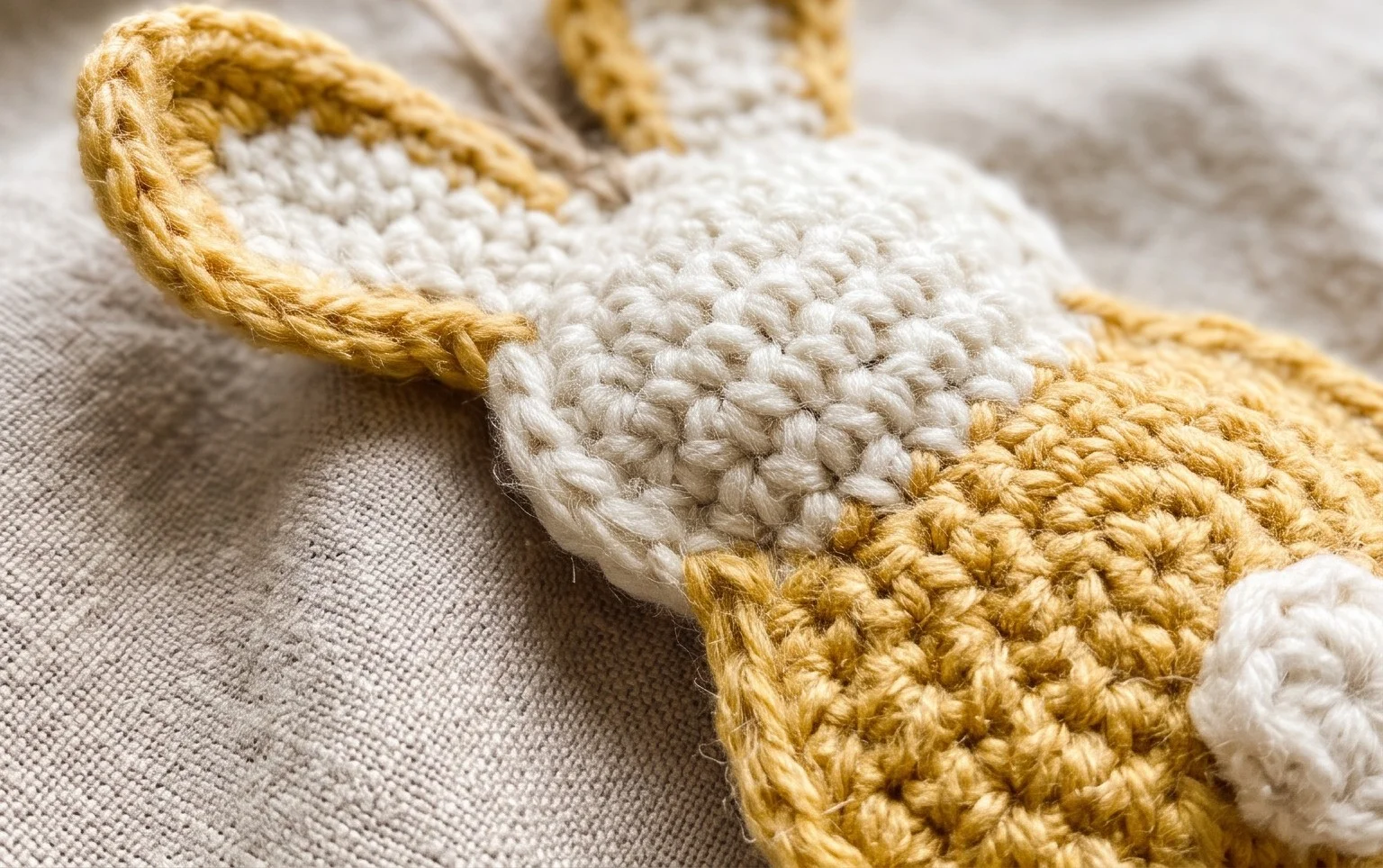
Your finished ornament brings a soft handmade touch to the tree, and its small size makes it a pleasant project to work on between larger gifts. For a simple variation, use a different shade for the top or crochet a slightly larger version with thicker yarn and a suitable hook. Keep the stuffing light and spread it evenly so the shape stays smooth when it hangs. If you make one, share a photo on Pinterest or your favorite social media platform; seeing the colors and details you choose is part of the fun. Then explore more free crochet patterns on the blog for another small seasonal project.