Easy Cut-and-Paste Gingerbread House Craft Free Printable
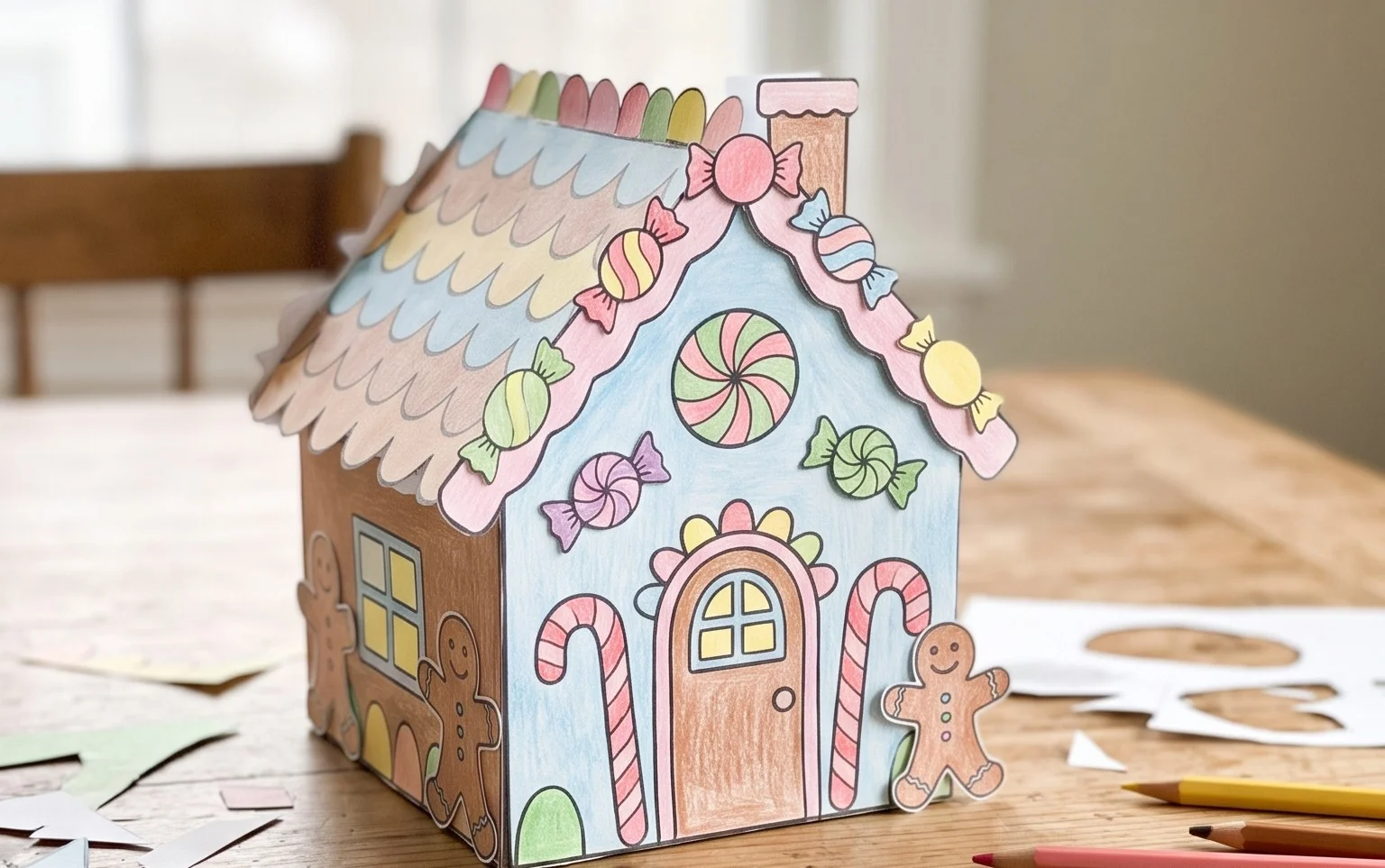
Paper walls, a peaked roof and little cutout details give this gingerbread house a cozy storybook look, with each layer adding a bit of color and personality. The finished craft is light and cheerful, so it can hang on a wall, brighten a classroom display or become part of a handmade holiday card. It suits beginners, young crafters working with an adult and anyone who enjoys making seasonal decorations without special tools. The printable keeps the house shapes ready to cut, while choosing and placing the pieces leaves room for your own ideas. You’ll see how to cut the paper parts neatly, arrange the roof and house details, and paste everything in place without covering the small windows or decorations. It’s a satisfying project because the simple pieces turn into a recognizable little house in one sitting.
Why You’ll Love This Pattern
A square cotton dishcloth is a useful project for practicing even single crochet rows and keeping track of a simple stitch pattern. Alternating ordinary single crochet rows with back-loop-only rows gives the fabric gentle ridges without adding difficult shaping.
The cloth uses about 70 yards of worsted cotton, so one skein can make several, depending on its yardage. It works well as a practical handmade gift, and its small size makes it easy to finish over a couple of relaxed crochet sessions.
The rows stay the same width from start to finish. That makes this a good project for building a steady rhythm and learning to spot the top loops of each stitch before inserting the hook.
The ridged rows made it easy to see where I was, and the finished cloth feels sturdy enough for everyday kitchen use.
— Maya, home crocheter
Pattern Overview & Skill Level
- Skill Level: Beginner. You should know how to chain and make a single crochet stitch.
- Approximate Time: 2–3 hours, depending on your pace and experience.
- Construction: Worked flat in turned rows, then finished by fastening off and weaving in the ends. There is no seam or separate border.
- Finished Dimensions & Sizing: Approximately 7.25 × 6.75 inches after washing and drying flat. Your exact size will depend on your tension.
- Gauge: 16 sc and 18 rows measure about 4 inches in the main fabric. Gauge is a guide for estimating the finished size; a small difference will not affect use.
Materials & Supplies Needed
- Yarn: About 70 yards of worsted-weight (#4) 100% cotton yarn in one color. Cotton is absorbent and holds up well to frequent washing.
- Hook: 5.0 mm / H-8 crochet hook. If your stitches are tight, try a 5.5 mm / I-9 hook and check the finished width.
- Notions: Tapestry needle for the yarn ends, scissors, and a ruler or tape measure for checking gauge.
- Substitutions: A different worsted cotton yarn can be used, but thickness and fiber twist may change the cloth’s size and feel. A cotton-linen blend can feel firmer; acrylic is less absorbent and may not be as useful for wiping dishes. If you change yarn weight, choose a suitable hook and expect a different finished size and yardage.
Stitch Guide & Abbreviations (US Terms)
- ch: Chain. Yarn over and pull the yarn through the loop on the hook.
- sc: Single crochet. Insert the hook in the indicated stitch, yarn over and pull up a loop, then yarn over and pull through both loops on the hook.
- BLO: Back loop only. Work into the loop farthest from you at the top of the stitch. This leaves the front loop visible and creates a ridge.
- st / sts: Stitch / stitches.
The turning chain does not count as a stitch in this pattern. After turning, work the first sc into the first stitch of the row, not into the turning chain.
Step-by-Step Pattern Instructions
Dishcloth
- Foundation: Ch 30. This chain makes a cloth about 7.25 inches wide at the stated gauge.
- Row 1: Sc in the second ch from the hook and in each ch across. Turn. (29 sts)
- Row 2: Ch 1, sc in each st across. Turn. (29 sts)
- Row 3: Ch 1, sc in the BLO of each st across. Turn. (29 sts)
- Rows 4–30: Repeat Rows 2 and 3, alternating regular sc and BLO sc. Work regular sc on even-numbered rows and BLO sc on odd-numbered rows. Turn after each row. (29 sts per row)
Finishing
After Row 30, cut the yarn, leaving a tail of about 6 inches. Pull the tail through the final loop to fasten off. Thread the tail onto a tapestry needle and weave it through several stitches on the wrong side. Weave in the starting tail the same way, changing direction once so it is less likely to work loose in the wash.
Check that the row edges are straight and that no stitch has been missed or worked twice. Wash the cloth before measuring its final size, since cotton can relax slightly after its first wash.
Care & Washing Instructions
- Machine-wash cotton in warm water, up to 40°C (104°F), with similar colors; use a mild detergent.
- Tumble-dry on low or lay flat to dry; flat drying helps the cloth keep its shape.
- While damp, gently reshape the corners and edges by hand. Follow the yarn label if your cotton blend gives different care directions.
Pro Tips & Common Mistakes to Avoid
- Keep your starting chains relaxed. Tight chains can pull in the bottom edge even when the rows above are an even width.
- Count 29 stitches at the end of every row. Place a stitch marker in the first stitch if you tend to miss the last stitch at the turning edge.
- On BLO rows, work into the back loop only, not both loops. Check the top of each stitch before inserting your hook; working both loops by mistake will make the ridges less distinct.
- To make a wider cloth, add an even number of chains and work one fewer sc than the chain total. A wider or longer cloth uses more yarn; adding 10 chains and 10 rows will usually require noticeably more than the original 70 yards.
Frequently Asked Questions
Can I use acrylic yarn instead of cotton?
You can, but acrylic is less absorbent and may feel warmer or less suited to dishwashing. The stitch counts will still work with a similar worsted thickness, though your finished size and drape may change.
How can I make the dishcloth smaller or larger?
For a narrower cloth, begin with fewer chains while keeping one fewer sc than the chain total. For a longer cloth, add more rows using the same alternating pattern. Both changes affect yarn use, and a larger cloth takes longer to dry.
Is this pattern suitable for a first crochet project?
Yes, if you can chain and make single crochet stitches. The main challenge is keeping 29 stitches in each row, so count before turning and use a marker in the first stitch when needed.
May I sell dishcloths made from this pattern?
Check the designer’s terms before selling finished items. If sales are permitted, describe the cloth accurately and do not claim the pattern as your own.
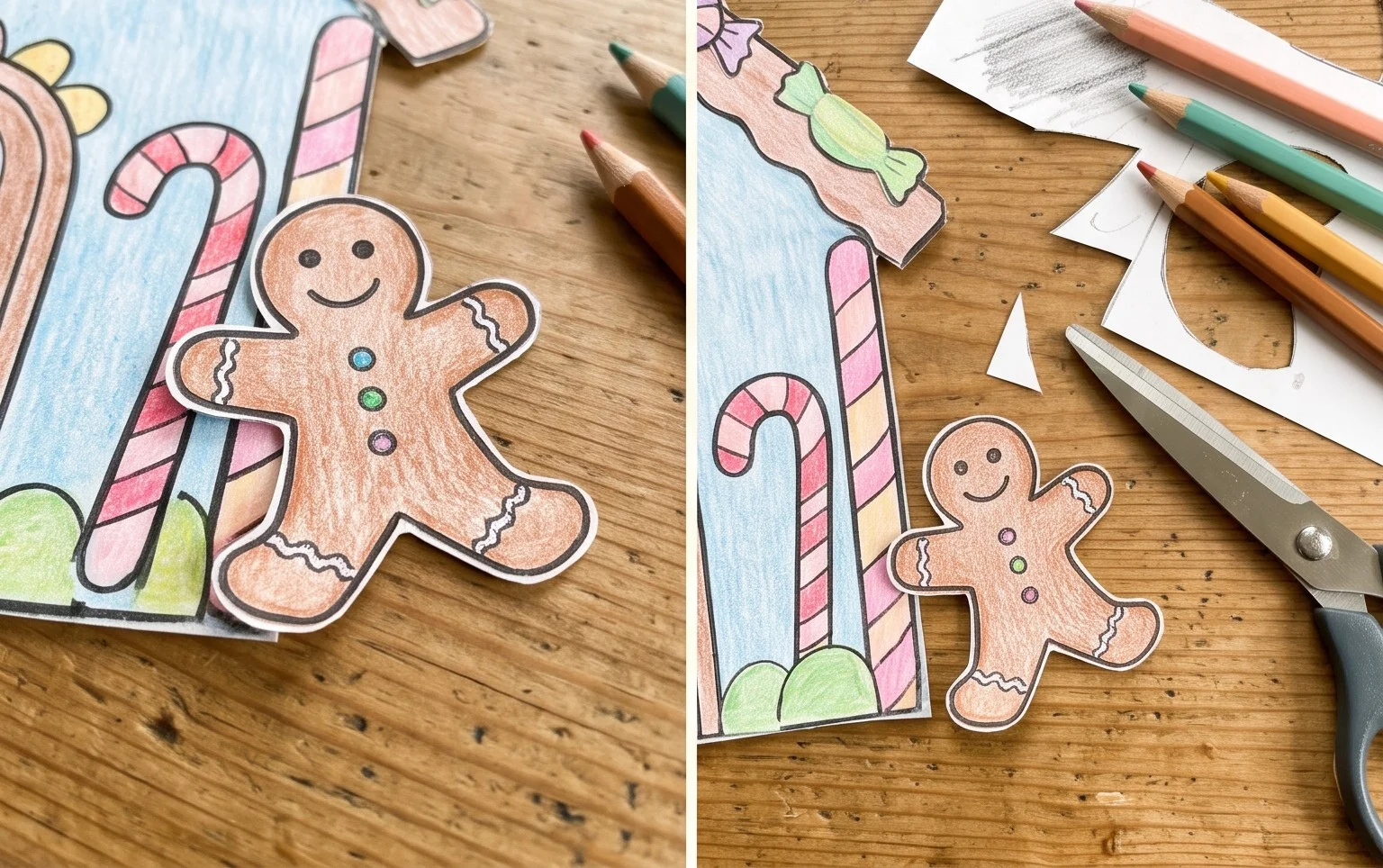
A finished paper gingerbread house has its own personality, whether you give it a neat candy-colored roof or fill the front with playful little details. For a simple variation, use kraft paper for the walls and add white paper trim for a snowy look. The printable makes it easy to prepare the shapes, and careful cutting around the roof and windows helps the finished house look tidy. Share a photo of your creation on Pinterest or your favorite social media, especially if you make a whole row of houses in different colors. When you’re ready for another afternoon craft, explore more free printable projects and seasonal ideas on the blog.