Cute Cat Hat Free Knitting Pattern: Easy Beginner Guide
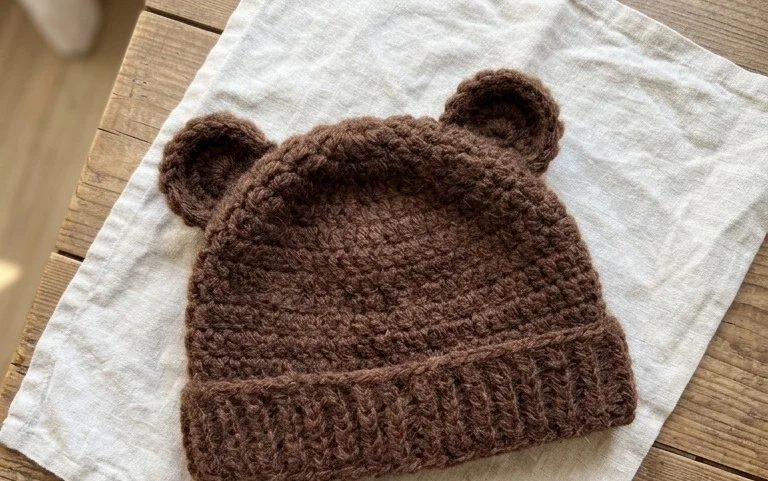
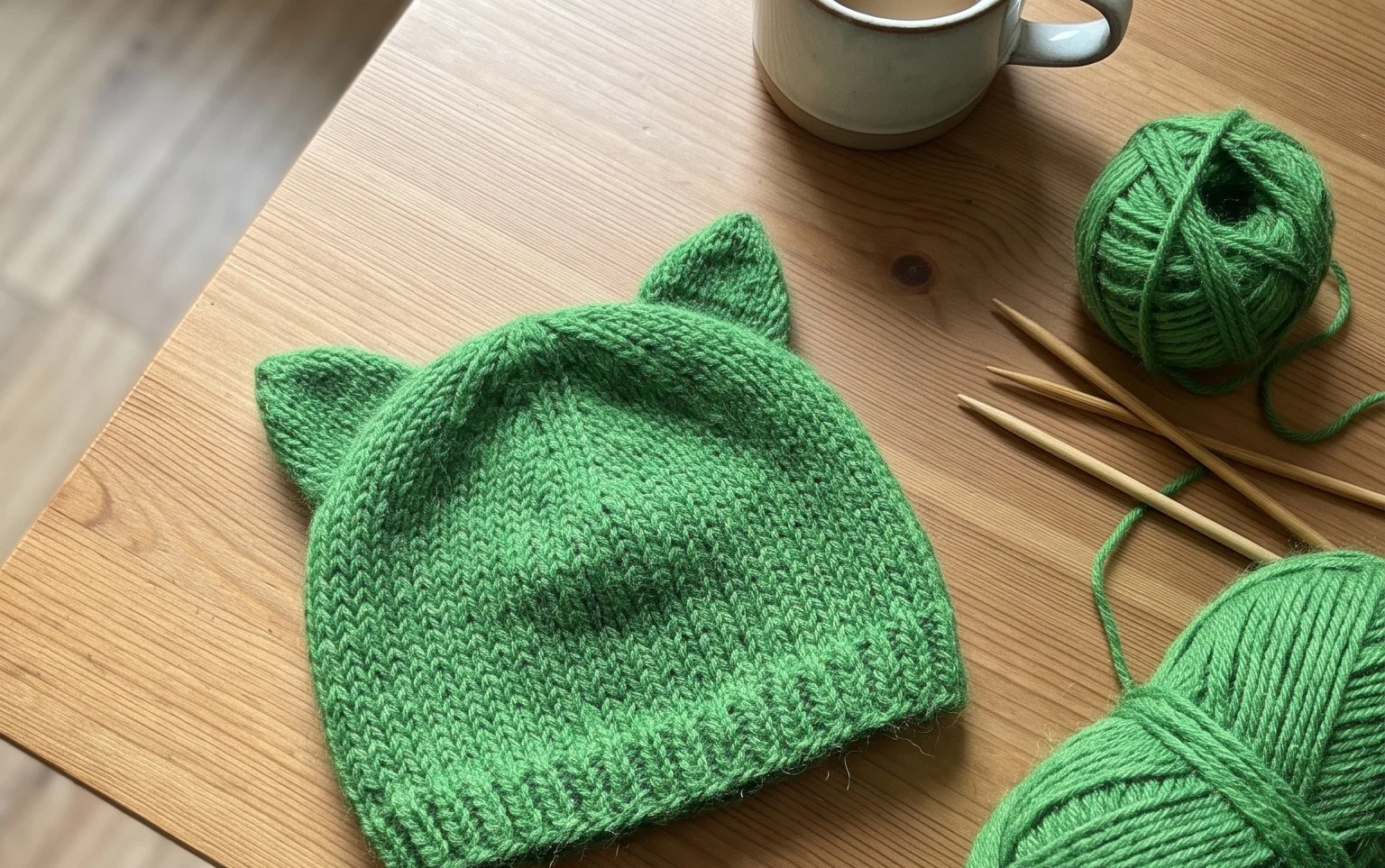
Soft wool brushed against the skin gives this feline-inspired accessory a cozy, lightweight feel that works well for chilly morning walks or costume parties. The design uses basic knit and purl stitches to create a gentle ribbed texture that hugs the ears comfortably while showing off adorable pointed corners. Beginners find this project rewarding because it comes together in just a few hours using simple rectangular construction techniques. You will learn how to shape the ears through basic decreasing and seaming methods that create a clean look. This accessory suits anyone wanting a quick, handmade gift that adds personality to their winter wardrobe.
Why You’ll Love This Pattern
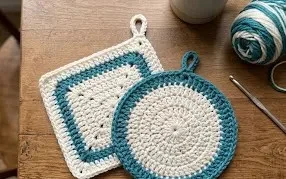
This classic crochet dishcloth works up quickly using simple, sturdy stitches that provide the perfect amount of scrubbiness for kitchen cleanup. The pattern uses a repetitive texture that is easy to memorize, making it an ideal choice for crocheting while listening to a podcast or watching a movie. Because it uses less than one skein of cotton yarn, it is an efficient way to clear out partial balls from your stash. The resulting fabric is durable enough to withstand daily washing machine cycles, yet soft enough to handle delicate glassware.
I managed to finish three of these dishcloths in a single weekend. They hold up much better than the ones I used to buy at the store and the texture is exactly what I needed for scrubbing pans.
— Sarah, home cook
Pattern Overview & Skill Level
- Skill Level: Beginner
- Approximate Time: 45 to 60 minutes per cloth
- Construction: Worked in flat rows starting from a foundation chain
- Finished Dimensions: 8 inches by 8 inches
Materials & Supplies Needed
- Yarn: Worsted weight (#4) 100% cotton yarn, approximately 60 yards per dishcloth.
- Hook Size: 5.0 mm (US H-8).
- Notions: Tapestry needle for weaving in ends, scissors.
- Yarn substitutions: Any 100% cotton or cotton-linen blend works well. Acrylic yarn is not recommended for dishcloths because it is not absorbent and will melt if it touches a hot surface. Using a heavier yarn will result in a larger, stiffer cloth, while a lighter weight yarn will require more stitches to reach the 8-inch width.
Stitch Guide & Abbreviations (US Terms)
- ch: Chain
- st(s): Stitch(es)
- sc: Single crochet
- dc: Double crochet
- sl st: Slip stitch
- Moss Stitch: A pattern created by alternating single crochet stitches and chain spaces, where the single crochet of the new row is worked into the chain space of the previous row.
Step-by-Step Pattern Instructions
Main Dishcloth Body
- Row 1: Ch 32. Sc in the 4th ch from the hook. *Ch 1, skip 1 ch, sc in the next ch. Repeat from * across. Turn. (15 sc, 14 ch-spaces)
- Row 2: Ch 2, sc in the first ch-1 space. *Ch 1, skip the sc, sc in the next ch-1 space. Repeat from * across, finishing with a sc in the turning chain space. Turn. (15 sc, 14 ch-spaces)
- Rows 3-30: Repeat Row 2 until the piece measures approximately 8 inches square.
Border and Finishing
- Round 1: Ch 1, work 1 sc in each st and ch-space around the entire perimeter of the square. Work 3 sc into each corner to keep the work flat. Join with a sl st to the first sc.
- Finishing: Fasten off, leaving a 6-inch tail. Use your tapestry needle to weave the tail back and forth through the stitches on the back side of the work to secure it firmly. Trim any excess yarn close to the fabric.
Care & Washing Instructions
- Machine wash in warm water with like colors to maintain the integrity of the cotton fibers.
- Tumble dry on low heat or lay flat on a clean towel to air dry, which helps prevent unwanted shrinking.
- Reshape the cloth gently with your hands while it is damp if it looks slightly puckered after the wash.
Pro Tips & Common Mistakes to Avoid
- Maintain consistent tension, especially on the chain stitches, so the edges of your dishcloth remain straight rather than wavy or tight.
- Place a stitch marker in the first stitch of every row. This prevents you from accidentally skipping the final stitch or working into the wrong space, which is a common reason for edges that shrink inward.
- Weave your ends in by threading the tail through the center of the stitches rather than along the surface. This ensures the yarn remains hidden even after multiple trips through the washing machine.
- To adjust the size, start with an even number of chains. Each additional two chains will add approximately 1/2 inch to the width, but remember that a larger cloth will require more than one skein of standard yarn.
Frequently Asked Questions
Can I use a larger hook for this pattern?
Using a larger hook will result in a looser, more open fabric. While this makes the dishcloth work up faster, it also makes it less effective for scrubbing stubborn food particles off plates.
How do I know if my tension is correct?
If the edges of your square are pulling inward, your tension is likely too tight. If the fabric feels limp or has large holes, your hook size may be too large for the yarn weight.
Is this pattern suitable for complete beginners?
Yes, the moss stitch is a foundational technique that teaches you how to work into chain spaces, which is a skill used in many intermediate and advanced patterns.
Can I sell the dishcloths I make from this pattern?
You are welcome to sell finished items made from this design, provided you credit the pattern designer. Always check the specific usage terms if you purchased the pattern from a third-party marketplace.
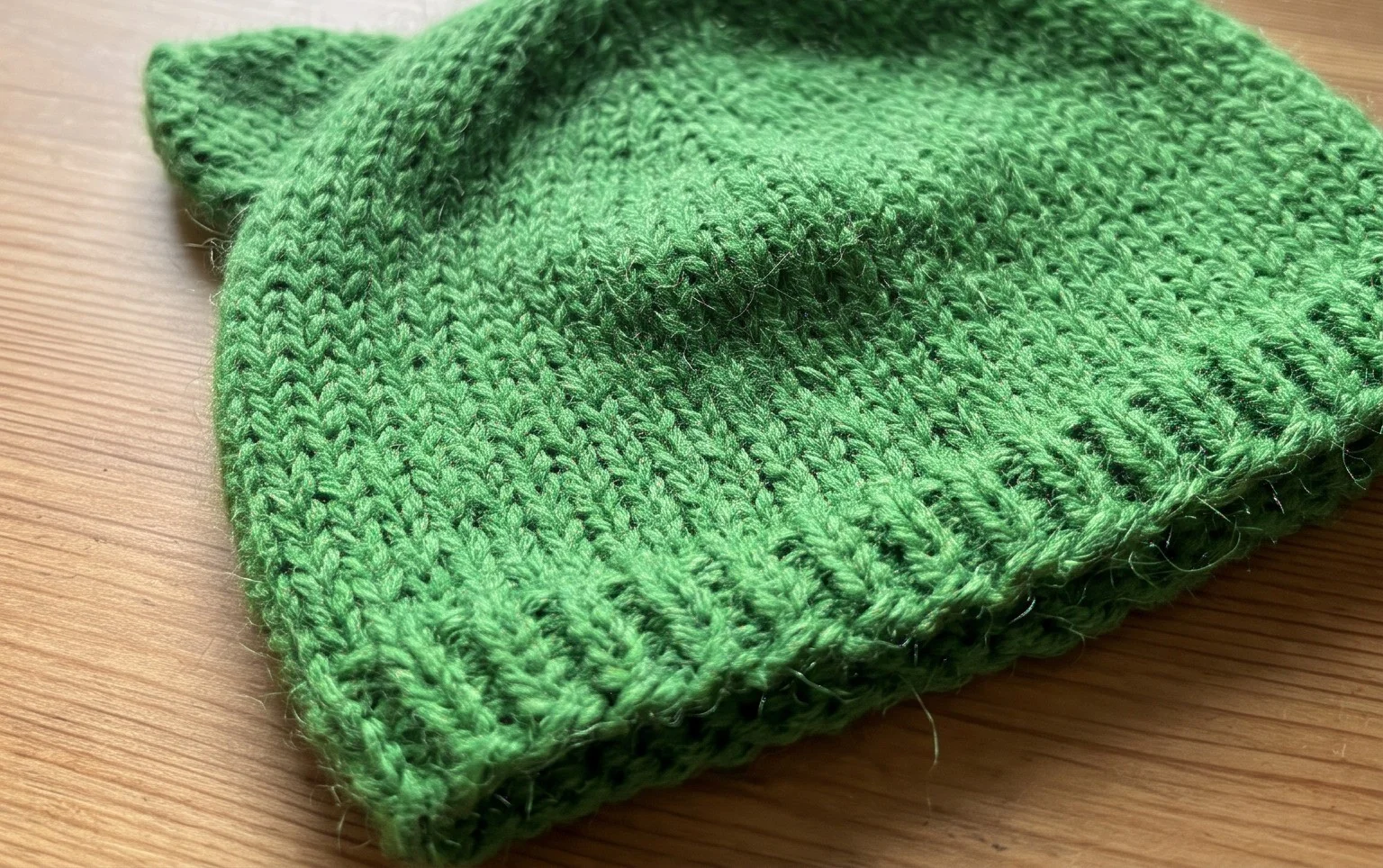
Seeing your finished project with those perky ears resting on a shelf or a friend’s head provides a real sense of accomplishment after a quiet evening of work. You can swap the standard worsted wool for a fuzzy mohair blend if you want a softer, halo-like finish that mimics actual fur. Take a photo of your creation and share it with our community so we can see how your color choices turned out. Browse the rest of our archives for more winter accessory ideas to keep your needles clicking all season long.