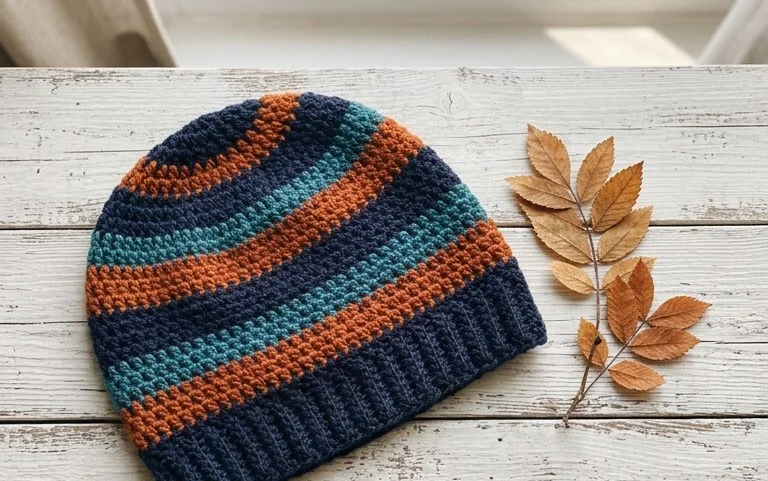
Free Argyle Crochet Hat Pattern for Beanie or Slouch
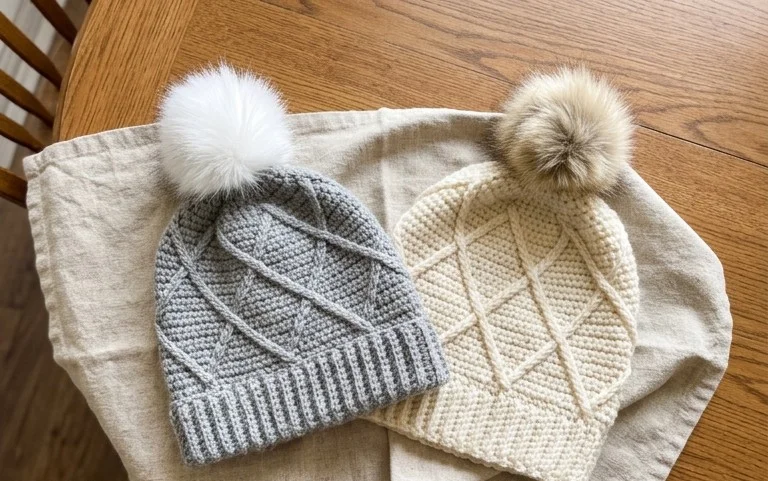
Diamond-shaped color blocks give this crochet hat its classic argyle look, while the finished fabric feels warm and comfortable for chilly walks or a quick trip outside. Make the brim snug for a beanie, or add length for a relaxed slouch that gathers softly at the back. This project suits crocheters ready to try color changes, and patient beginners can work through the pattern one section at a time. It also makes a thoughtful handmade gift because you can choose colors to match someone’s coat or favorite team. Along the way, you’ll learn how to build the argyle effect with crochet colorwork and shape the hat for a comfortable fit. The repeating diamond motif keeps the work engaging, and each new section gives you a clear point to check your progress.
Why You’ll Love This Pattern
A firm cotton stitch makes this square washcloth useful for washing dishes, wiping counters, or keeping beside the bathroom sink. The pattern uses single crochet rows, so you can focus on even edges and steady tension without learning a complicated stitch sequence.
At about 6¼ inches square, it works up in roughly 1½ to 2 hours and takes around 70 yards of worsted-weight cotton. It is also a practical way to use a small amount of leftover cotton yarn. Choose one color for a simple cloth, or change colors at the row ends for stripes.
The rows were easy to keep track of, and the finished cloth feels sturdy without being stiff. I made one in an afternoon and plan to use the same pattern for a set.
— Anna, home crocheter
Pattern Overview & Skill Level
- Skill Level: Beginner. You need to know how to chain and make single crochet stitches.
- Approximate Time: 1½ to 2 hours, depending on your pace and how often you stop to check your stitch count.
- Construction: A flat square worked back and forth in single crochet rows. The turning chain does not count as a stitch.
- Finished Dimensions & Sizing: Approximately 6¼ × 6¼ inches after washing and drying flat. Small differences in tension can change the final measurements.
Materials & Supplies Needed
- Yarn: About 70 yards of worsted-weight (#4) 100% cotton yarn. One color is enough; a contrasting shade is optional for stripes. Cotton absorbs water and tolerates regular washing.
- Hook Size: 5.0 mm / H-8 crochet hook. Use a hook that gives you a firm, flexible fabric rather than a loose, holey one.
- Notions: Tapestry needle for weaving in the ends, scissors, and a ruler or tape measure. A stitch marker is optional but can help mark the first stitch of a row.
- Safe substitutions: Cotton-linen yarn can also make a useful cloth, though it may feel firmer and can soften with washing. A smooth cotton blend is another option; check its label for care instructions. Avoid acrylic if you want a cloth that absorbs water well. Changing yarn weight or hook size will change the cloth’s dimensions and may increase or reduce the amount of yarn needed.
Gauge: About 16 single crochet stitches and 16 rows measure 4 inches square. The pattern is a washcloth, so a small gauge difference is not a problem; use the gauge and finished measurements as a guide if you want a particular size.
Stitch Guide & Abbreviations (US Terms)
- ch: Chain.
- sc: Single crochet. Insert the hook into the stitch, yarn over and pull up a loop, then yarn over and pull through both loops on the hook.
- st(s): Stitch or stitches.
- rep: Repeat the stated action or sequence.
For a neat edge, make the first single crochet of each row in the last stitch of the previous row. The turning chain is for height only and never counts as a stitch.
Step-by-Step Pattern Instructions
Washcloth
- Row 1: Ch 26. Sc in the second ch from the hook and in each ch across. You will have 25 sc. (25 sts)
- Row 2: Ch 1 and turn. Sc in each st across. (25 sts)
- Rows 3–25: Ch 1 and turn. Sc in each st across. Repeat Row 2 for 23 more rows. Check that every row has 25 sc, including Row 25. (25 sts per row)
Finishing
Cut the yarn, leaving a tail of about 6 inches. Pull the tail through the final loop to secure it. Thread the tail onto a tapestry needle and weave it through several stitches on the back of the cloth, changing direction once so it is less likely to work loose. Weave in the starting tail the same way. Do not knot the ends tightly, since a hard knot can make a lump in the fabric.
Lay the cloth flat and check that the sides look straight. If the square curls slightly, wash it according to the yarn label and let it dry flat. A gentle stretch while damp can help the edges settle into shape.
Care & Washing Instructions
- Wash cotton yarn in cool or warm water, up to 40°C, with similar colors; follow the yarn label if it gives a lower temperature.
- Dry flat or tumble dry on low if the yarn label allows it; high heat may shrink cotton.
- While damp, smooth the cloth back into a square and let it finish drying flat. Blocking is optional for this everyday item.
Pro Tips & Common Mistakes to Avoid
- Keep your starting chain loose enough for the first row to sit flat. If it is much tighter than the other rows, use a larger hook just for the chain or remake it with a relaxed hand.
- Count the stitches at the end of each row. A stitch marker in the first stitch can help you avoid missing the final stitch, which is a common reason beginner projects become narrower.
- Weave in each end through several stitches on the back, then change direction. Trim close only after checking that the end is secure; cutting too soon can let it slip out in the wash.
- To adjust the size, add or remove starting chains while keeping the same row height, or work more or fewer rows to change the height. Each extra chain adds roughly ¼ inch of width at the stated gauge, and a larger cloth uses more yarn.
Frequently Asked Questions
Can I use a different kind of yarn?
Yes. Smooth cotton is the best choice for an absorbent washcloth. Cotton-linen yarn can feel firmer, while a cotton blend may have different washing needs. Check the yarn label and expect the finished size and texture to change if the yarn weight differs.
How can I make the washcloth larger or smaller?
For a wider or narrower cloth, change the starting chain and keep the same number of rows for a similar square shape. For a taller or shorter cloth, work more or fewer rows. The stitch count on each row should match the number of single crochets made across.
Is this pattern suitable for a first crochet project?
Yes. It uses only chains and single crochet stitches worked in straight rows. Count the first row carefully, then aim for 25 stitches in every later row. If the sides start slanting, check whether you are accidentally skipping the first or last stitch.
May I sell washcloths made from this pattern?
Check the designer’s terms before selling finished items. If you sell them, describe them accurately and do not claim authorship of the pattern. Also confirm that your yarn’s care instructions are included for buyers.
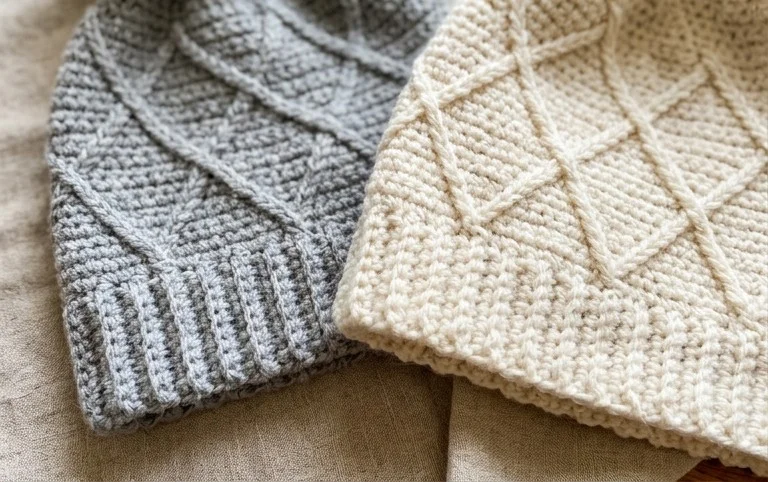
When the final stitches are finished, you’ll have a warm hat with crisp diamond colorwork and a fit you can make your own. Try a quiet combination of charcoal and cream, or choose two bright shades to make the argyle pattern stand out. If you make a beanie for yourself or a slouch version as a gift, take a photo and share it on Pinterest or your favorite social platform. Your color choices may give another crocheter an idea for their own version. You can also browse the other free crochet patterns on the blog for more useful projects to work on with your yarn stash.