Easy Cotton Crochet Dishcloth Pattern for Beginners
Worsted-weight cotton gives this dishcloth a firm feel and a slightly nubby surface that works well for everyday washing. You will need less than one standard ball of cotton yarn, a 4 mm crochet hook, scissors, a yarn needle, and a ruler to check your gauge and finished size. Cotton is a practical choice because it absorbs water and can be washed between uses; acrylic yarn is less suited to a cloth that needs to handle frequent damp work. This project suits new crocheters who are getting comfortable with chain stitches and single crochet, as well as gift makers putting together a useful kitchen set. The cloth is worked flat in rows, so you can watch the edges and stitch count as the fabric grows. You will also learn how steady tension and turning chains help keep a simple rectangle neat.
Why You’ll Love This Pattern
A square of worsted-weight cotton makes a useful dishcloth with a firm, slightly nubby surface that can handle everyday washing. This beginner pattern uses only chains and single crochet, so you can focus on keeping the edges straight instead of learning a complicated stitch repeat.
The cloth is worked flat in simple rows, with no seams or special finishing. It takes about two to three hours, depending on your pace, and uses less than one standard ball of cotton yarn. The plain fabric also makes it easy to pause and pick up again without losing your place.
A crocheter’s sample note: the steady rows were easy to count, and the cotton made a sturdy cloth that dried well between uses.
The rows were easy to count, and the cotton made a sturdy cloth that dried well between uses.
— Mara, illustrative maker note
Pattern Overview & Skill Level
- Skill Level: Beginner. You need to know how to make a chain and single crochet.
- Approximate Time: Two to three hours, including weaving in the ends.
- Construction: A flat rectangle worked back and forth in single crochet rows. There is no joining or seaming.
- Finished Dimensions & Sizing: About 8.5 by 7.5 inches (22 by 19 cm) after washing and drying flat. Size depends on your personal tension and yarn.
The pattern begins with 31 chains. The first single crochet row creates 30 stitches, and every row after that stays at 30 stitches. The gauge target is 14 single crochet stitches and 16 rows over 4 inches (10 cm). Check your gauge if you want a cloth close to the stated dimensions.
Materials & Supplies Needed
- Yarn: About 85 yards (78 m) of worsted-weight cotton, also called medium or #4 weight. One color is enough; a small amount of leftover cotton works well if it is long enough to finish the rows.
- Hook: 5.0 mm (H-8) crochet hook. If your fabric feels stiff, try a 5.5 mm (I-9) hook; if it feels loose and floppy, try a 4.5 mm (7) hook.
- Notions: Tapestry needle for weaving in the two yarn ends, scissors, and a ruler or tape measure for checking gauge.
- Substitutions: Use another smooth, washable cotton yarn of similar weight. A cotton-acrylic blend may dry more quickly but can feel less absorbent. Avoid fuzzy or delicate fibers for a cloth meant for frequent washing. A different yarn weight or hook can change the finished size and texture, so check the dimensions before making several.
Stitch Guide & Abbreviations (US Terms)
- ch: Chain. Yarn over and pull the yarn through the loop on the hook.
- sc: Single crochet. Insert the hook into the indicated stitch, yarn over and pull up a loop, yarn over again and pull through both loops.
- st / sts: Stitch / stitches.
- yo: Yarn over, or wrap the yarn over the hook.
- rep: Repeat the stated instruction.
The turning chain at the start of each row does not count as a stitch. Work the first single crochet into the first stitch of the previous row, not into the turning chain. This keeps the stitch count at 30 and helps prevent the sides from narrowing.
Step-by-Step Pattern Instructions
Dishcloth
- Foundation: Ch 31. Keep the chain relaxed; a tight foundation chain can pull the lower edge inward.
- Row 1: Sc in the second ch from the hook and in each ch across. Turn. (30 sts)
- Row 2: Ch 1, sc in each st across. Turn. (30 sts)
- Rows 3–29: Rep Row 2. Turn at the end of every row. Each row has 30 sts.
- Row 30: Ch 1, sc in each st across. Do not turn. Fasten off, leaving a tail about 6 inches (15 cm) long. (30 sts)
Finishing
Thread the tail onto a tapestry needle and weave it through the backs of several stitches. Change direction once so the end is less likely to work loose during washing, then trim the excess. Weave in the starting tail the same way. Smooth the cloth flat and measure it. If it is slightly wavy, a gentle wash and careful reshaping should settle the fabric; do not pull it hard enough to distort the stitches.
If you count a different number of stitches, check the row ends before continuing. The turning chain is not a stitch, and the final single crochet belongs in the last stitch of the previous row. Correcting an extra or missing stitch early is easier than fixing slanted sides after several rows.
Care & Washing Instructions
- For cotton yarn, machine-wash in cool or warm water according to the yarn label; use a gentle cycle if the cloth has a delicate color.
- Dry flat or tumble-dry on low if the yarn label allows it; reshape the corners while the cloth is damp.
- Block or reshape while damp by patting the edges straight, then let the cloth dry fully before storing it.
Pro Tips & Common Mistakes to Avoid
- Keep tension even: Make the starting chain a little looser than your usual stitches. If the chain edge is much tighter, use a larger hook just for the chain, then switch back to the 5.0 mm hook for Row 1.
- Count every row: A stitch marker can mark the first or last stitch of a row. Check that you have 30 single crochets before turning, especially for the first few rows.
- Hide ends securely: Weave each tail through the backs of several stitches and change direction. Do not knot the yarn at the edge, where a knot can make a hard bump.
- Change the size carefully: For a wider cloth, add chains to the foundation, making sure the total chain count includes the one skipped chain. Each extra foundation chain adds one stitch. More chains and rows use more yarn; a larger hook can also make the cloth bigger and more open.
Frequently Asked Questions
Can I use acrylic yarn instead of cotton?
You can, but the cloth may be less absorbent and may not tolerate the same washing or heat as cotton. Check the yarn label, and expect a different texture and possibly a different finished size.
How can I make the dishcloth smaller or larger?
Change the foundation chain for the width, then work fewer or more rows for the height. Keep one chain unworked at the start of Row 1, and work into every stitch on later rows. More stitches or rows require more yarn.
Is this pattern suitable for a first crochet project?
Yes. It uses only chains and single crochet, with no shaping or joining. Practise the stitches on a short swatch first, then count each row to keep both edges straight.
May I sell dishcloths made from this pattern?
Check the terms provided by the designer or publisher of the pattern you are using. If you sell finished pieces, describe them accurately and do not claim someone else’s pattern as your own.
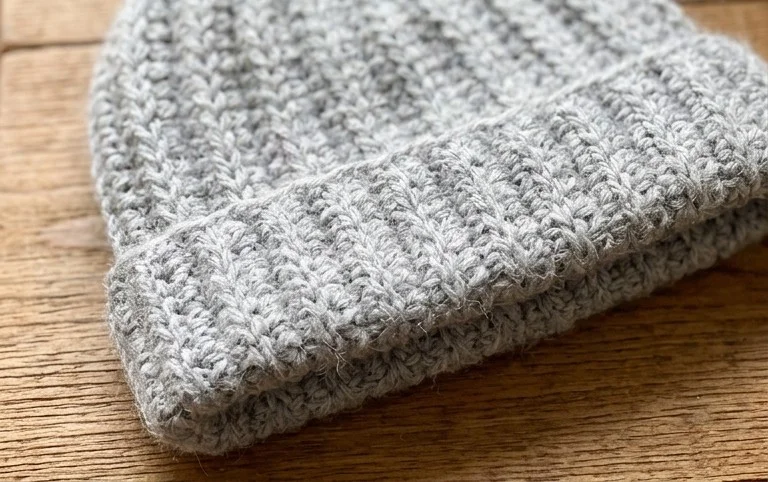
With its tidy rows and sturdy cotton fabric, your finished dishcloth is ready to work at the sink or join a handmade kitchen gift. For a small variation, change the yarn color, or make the cloth wider by adding chains while keeping an even stitch count across each row. A slightly larger hook can also give the fabric a softer drape, though it may change the finished dimensions. After washing and drying it flat, take a photo and share it on Pinterest or your favorite social media account. I would love to see the colors you choose. If you enjoyed this straightforward project, explore more free crochet patterns on the blog for useful pieces to make at home or give to someone else.